Disclaimer: This page is an independent educational resource and is not affiliated with or operated by any official organization or service.
Introduction (first 120 words):
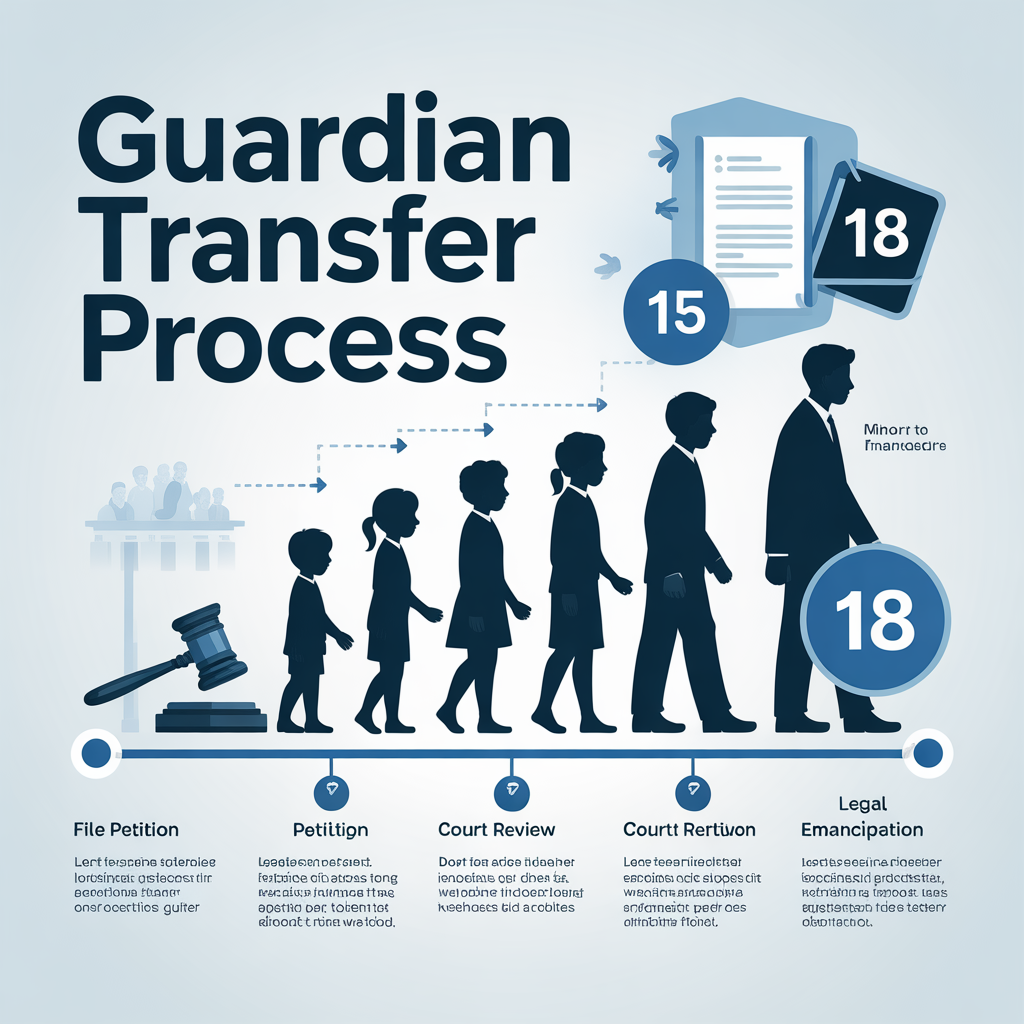
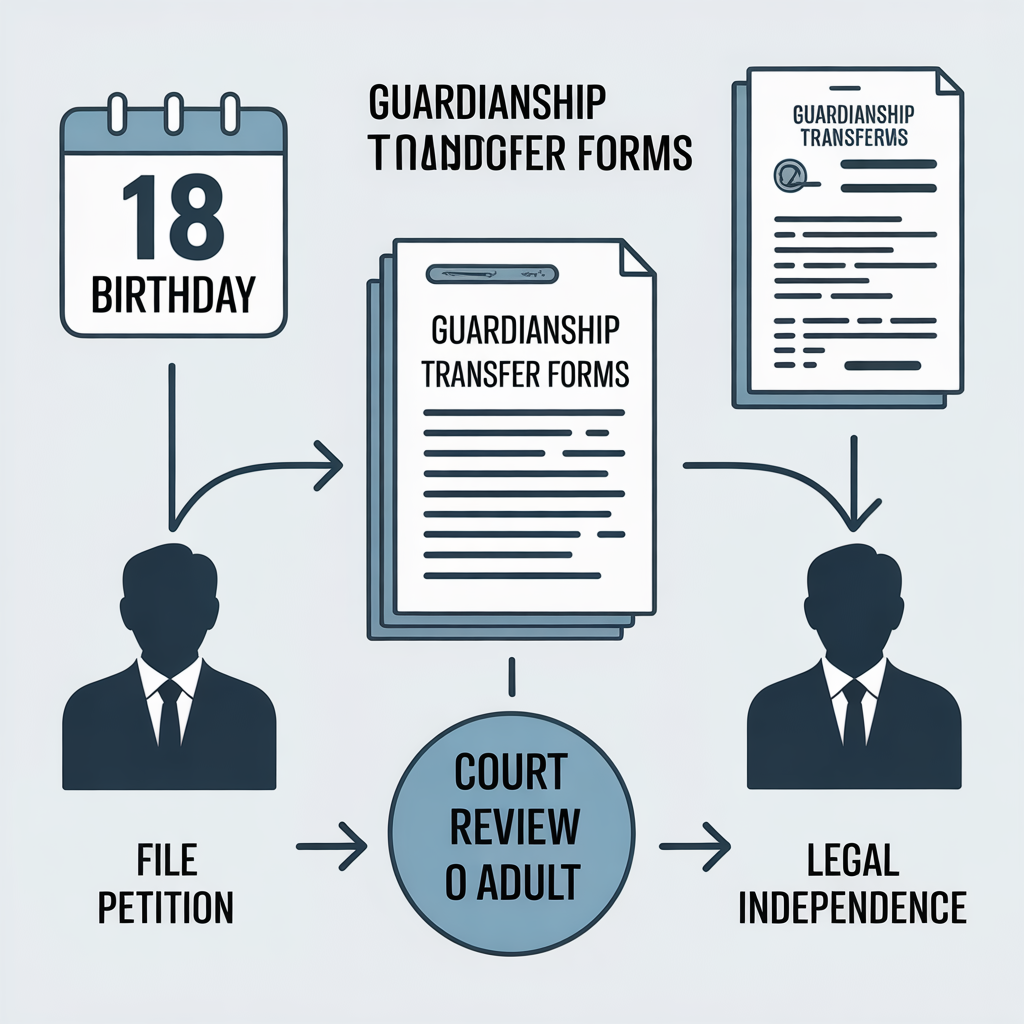
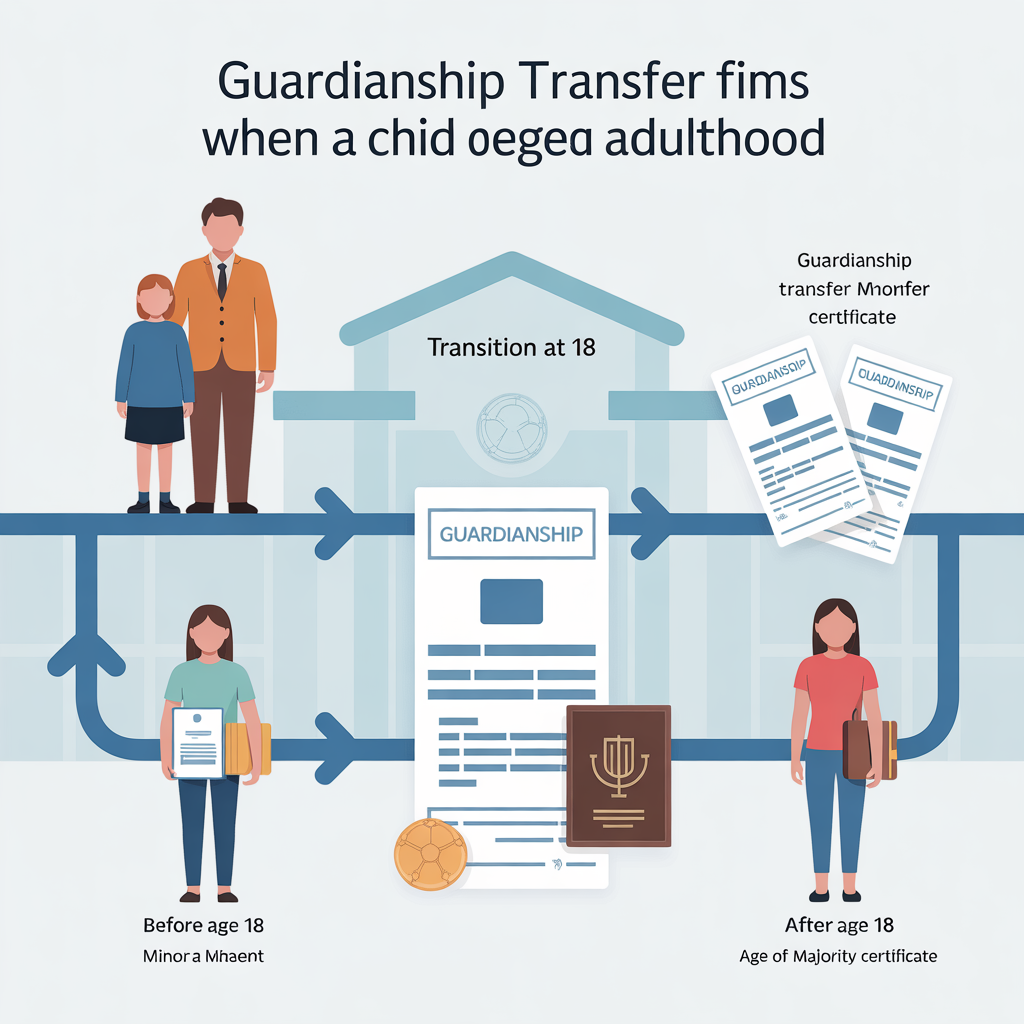
Understanding how to change the responsible person for a child upon reaching age 18 within the my529 context is enhanced by examining common scenarios. These scenarios illustrate how families generally interpret and apply the transfer of rights at the age of majority. The scenarios described here are purely educational and describe typical information patterns. They involve various combinations of automatic and documented transfers, the possible use of an affidavit, and situations where a notary is involved. Each scenario reflects a different set of family circumstances and demonstrates how the my529 framework accommodates them. This material is provided as an educational overview without suggesting any particular course of action.
Full Text:
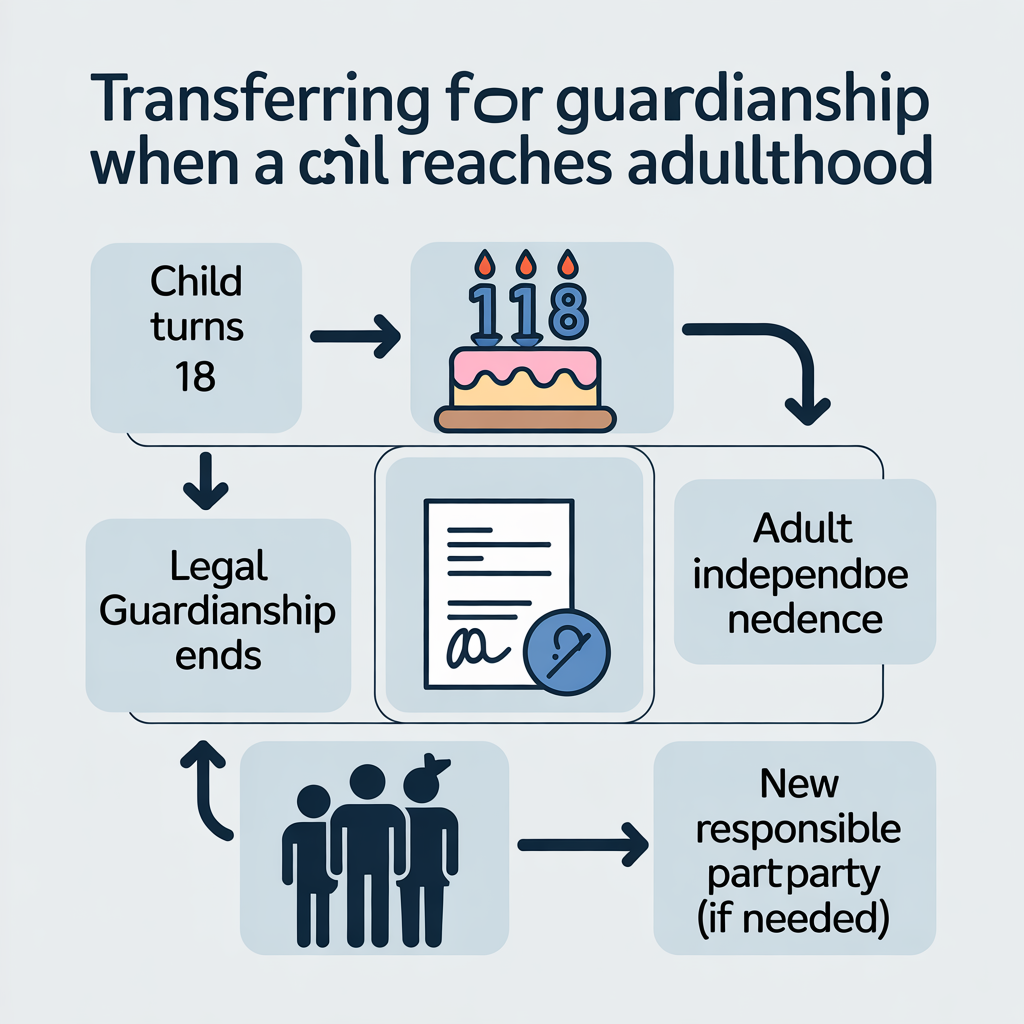
Educational scenario one involves a beneficiary who turns 18, is fully capable, and wishes to assume responsibility for the my529 account. In this scenario, no affidavit is completed and no notary is consulted. The family understands that the transfer of rights at the age of majority occurs automatically. The parent ceases to have administrative authority on the beneficiary’s birthday. The beneficiary can then contact my529 to update contact information if desired. This scenario represents the simplest interpretation of how to change the responsible person for a child upon reaching age 18. The my529 system records the change internally without any document submission.
Educational scenario two involves a beneficiary who turns 18 but is temporarily traveling outside the country. The family wishes to document the change of responsible person clearly to avoid any confusion during the beneficiary’s absence. A notarized affidavit is prepared. The beneficiary signs the affidavit before a notary at a US embassy or consulate. The affidavit confirms that the beneficiary assumes responsibility as of the 18th birthday. The signed and notarized affidavit is then submitted to my529. This scenario demonstrates how an affidavit provides clarity when automatic transfer might otherwise create uncertainty due to communication delays.
Educational scenario three involves a beneficiary with a developmental disability who turns 18 but lacks the capacity to manage financial matters. A court has appointed a parent as guardian. The change of responsible person for a child upon reaching age 18 in this scenario requires both a court order and a notarized affidavit. The parent, acting as guardian, signs the affidavit before a notary. The court order is attached. The my529 system recognizes the guardian as the new responsible person instead of the beneficiary. This scenario illustrates the interaction between the transfer of rights at the age of majority and legal determinations of incapacity.
Educational scenario four involves a family where the beneficiary turns 18 but has chosen to pursue a gap year before continuing education. The beneficiary is capable but prefers that a parent continue handling my529 administrative matters for one year. The family submits a notarized affidavit naming the parent as the responsible person for a defined term of 12 months. A notary validates the signatures of both the parent and the beneficiary. The my529 system records a temporary change of responsible person. After one year, responsibility automatically reverts to the beneficiary. This scenario shows how the transfer of rights at the age of majority can be temporarily modified.
Educational scenario five involves a beneficiary who turns 18 but is estranged from the parent who originally opened the my529 account. The beneficiary wishes to change the responsible person to a grandparent. Since the parent is unwilling or cannot be located, a court order is obtained to authorize the change. An affidavit is completed by the grandparent and notarized. The court order is attached. The my529 system accepts the change based on the court order overriding the parent’s consent requirement. This scenario illustrates a contested interpretation of how to change the responsible person for a child upon reaching age 18.
Educational scenario six involves a beneficiary who turns 18 and immediately enrolls in a qualified program. The family needs to make a distribution from the my529 account to pay for expenses. The transfer of rights at the age of majority has automatically made the beneficiary the responsible person. However, the beneficiary does not yet have online access set up. The family contacts my529 and learns that the beneficiary must establish access using their own identifying information. No affidavit or notary is required for this process. This scenario demonstrates that automatic transfer can require follow-up steps even without formal documentation.
Educational scenario seven involves a beneficiary who turns 18 but the my529 account has a co-owner structure. The co-owner is not a parent but another relative. The change of responsible person in this scenario is complicated because the co-owner retains some authority. An affidavit is needed to clarify the respective roles after the transfer of rights at the age of majority. A notary validates the affidavit signed by both the beneficiary and the co-owner. The my529 system updates the record to show shared authority. This scenario illustrates how pre-existing account structures affect the change process.
Educational scenario eight involves a beneficiary who turns 18 in a state where the age of majority is 19. The family mistakenly believes that the transfer of rights at the age of majority occurs at 18. They submit a notarized affidavit attempting to change the responsible person. The my529 system rejects the affidavit because the legal age of majority has not yet been reached. The family must wait until the beneficiary’s 19th birthday. This scenario highlights the importance of verifying the applicable age before completing any change documents.
Educational scenario nine involves a beneficiary who turns 18 but the original my529 account was opened by a grandparent who is now deceased. No responsible person is actively managing the account. The family must change the responsible person to a surviving parent. This scenario requires both a notarized affidavit and a copy of the grandparent’s death certificate. The notary validates the parent’s signature. The my529 system updates the record based on the affidavit and the supporting document. This scenario demonstrates how to change the responsible person when the original responsible person is unavailable.
Educational scenario ten involves a beneficiary who turns 18 but the my529 account has multiple beneficiaries. Each beneficiary may have a different responsible person. When one beneficiary reaches the age of majority, only that beneficiary’s administrative rights are affected. The other beneficiaries continue under the existing responsible person. No change of responsible person occurs for them. An affidavit may be used to document the partial transfer of rights at the age of majority. This scenario illustrates the interpretation of age-based changes in multi-beneficiary accounts.
Conclusion:
This material has presented ten educational scenarios for interpreting how to change the responsible person for a child upon reaching age 18 in the my529 environment. Scenarios included automatic transfer, documented transfer with notarized affidavit, temporary changes, incapacity situations, estranged families, co-owner structures, age of majority variations, deceased original responsible persons, and multi-beneficiary accounts. These scenarios are provided solely for educational reference.