Disclaimer: This page is an independent educational resource and is not affiliated with or operated by any official organization or service.
Introduction (first 120 words):
When a family needs to change the responsible person for a child upon reaching age 18 in connection with an account such as my529, specific documents are typically involved. These documents contain predictable sections and content categories. Understanding these sections is useful for educational purposes, as it allows individuals to recognize what information is expected in an affidavit, what a notary will verify, and how the transfer of rights at the age of majority is formally recorded. This material describes the common structural elements found in my529 change of responsible person forms, including party identification, statement of authority, notary blocks, and supporting evidence attachments. The content is provided as a general reference.
Full Text:
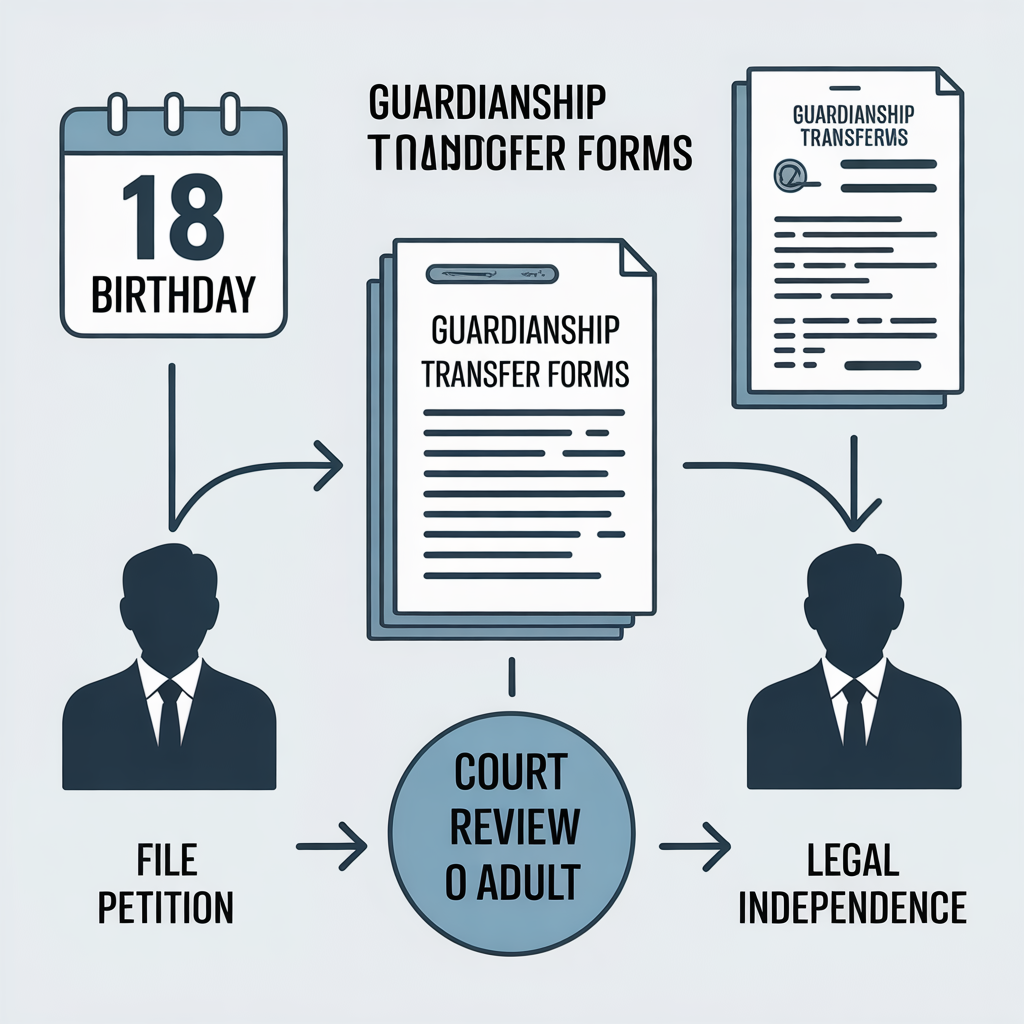
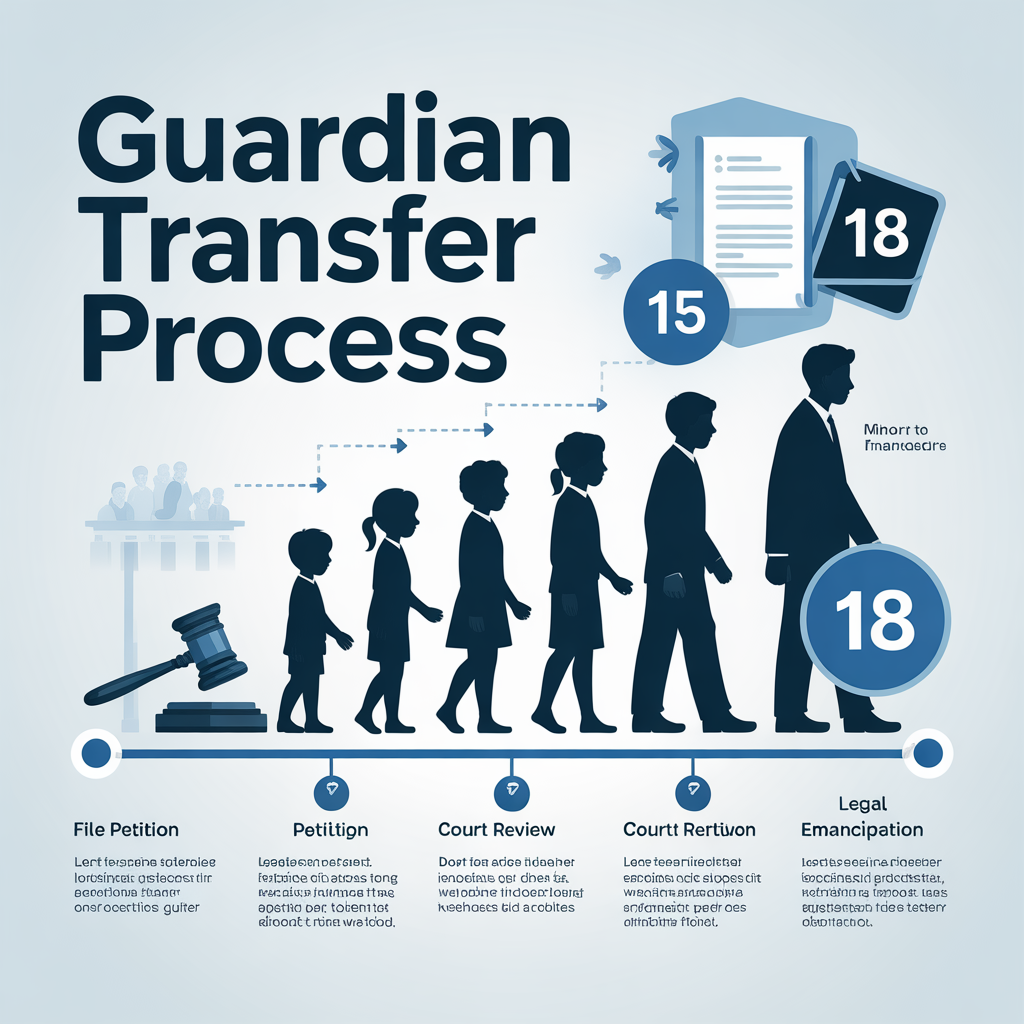
The documentation used to change the responsible person for a child upon reaching age 18 under my529 follows a consistent structural pattern. These documents are typically affidavits or sworn statements that include several mandatory sections. Identifying these content categories helps in understanding how my529 processes transfer of rights at the age of majority.
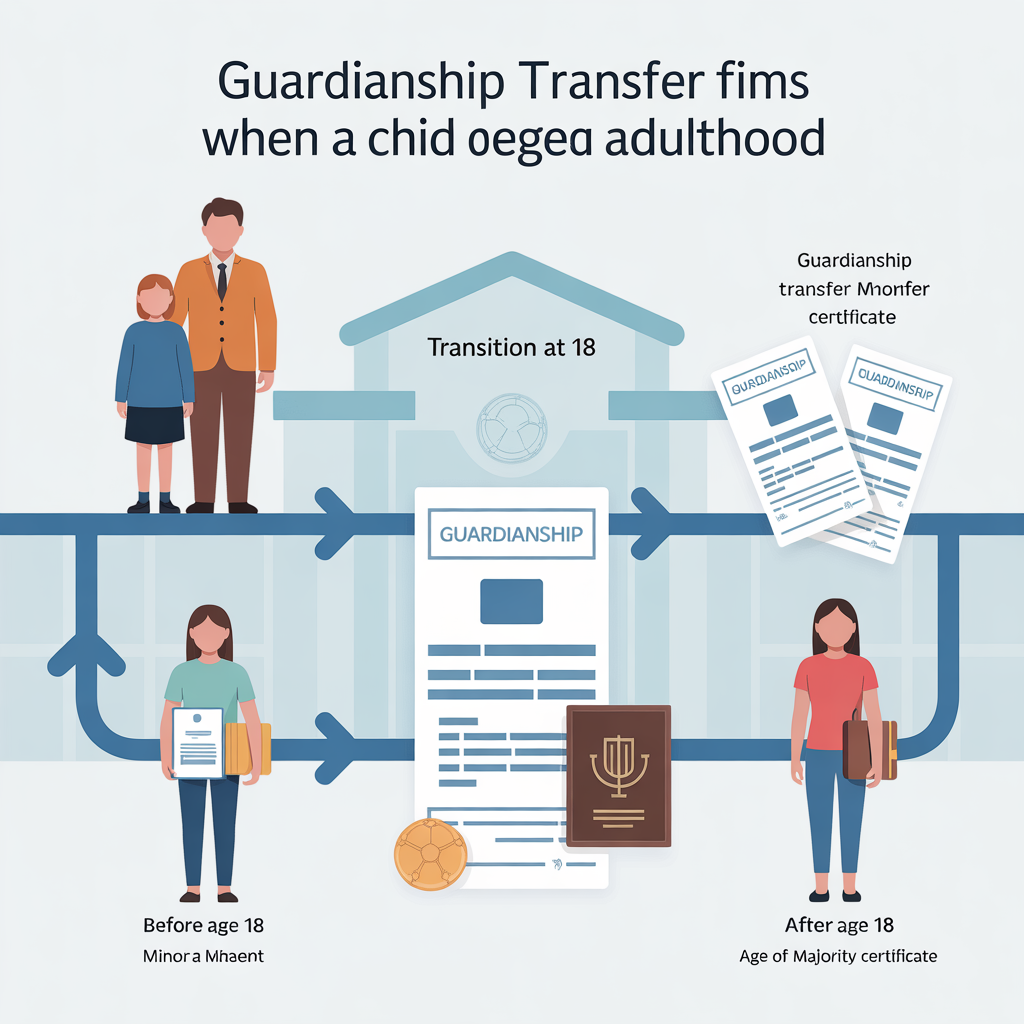
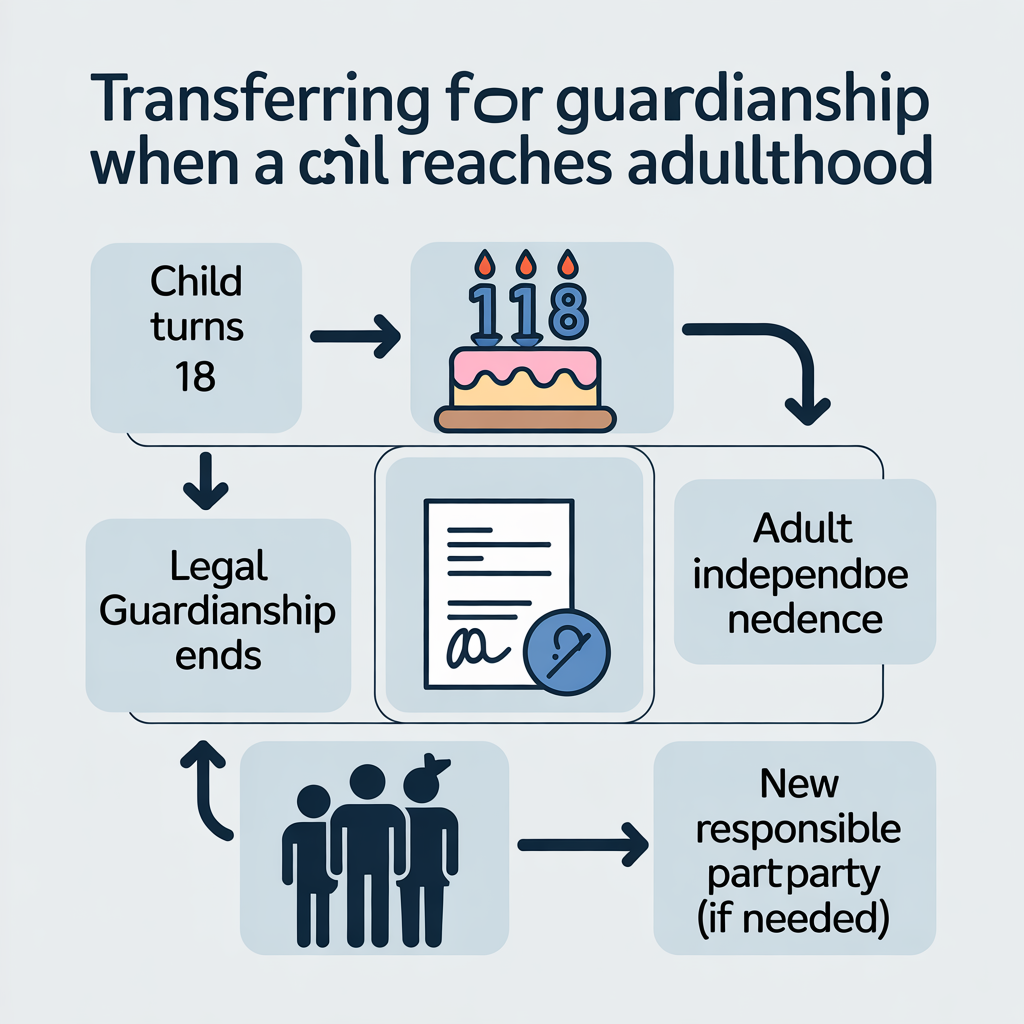
The first content category is party identification. Every my529 change document must clearly name the account holder, the beneficiary, the outgoing responsible person, and the incoming responsible person. Each party’s full legal name, date of birth, and relationship to one another are recorded. In a standard transfer of rights at the age of majority where the beneficiary becomes responsible, the outgoing person is usually a parent and the incoming person is the beneficiary themselves. An affidavit used for this purpose will list both individuals with their respective roles.
The second content category is the statement of factual basis. This section explains why the change of responsible person is being requested. For an 18-year-old beneficiary, the factual basis is simply the attainment of the age of majority. The document may state: “The beneficiary reached age 18 on [date].” For more complex changes, such as naming a different adult, the factual basis may include information about the beneficiary’s choice or a family agreement. The my529 system relies on this section to determine which procedure to apply.
The third content category is the statement of authority transfer. This is the core legal language in which the outgoing responsible person explicitly relinquishes authority, and the incoming responsible person explicitly accepts it. In a my529 affidavit, this section may read: “Effective as of the beneficiary’s 18th birthday, all administrative authority over the my529 account is transferred to the incoming responsible person named herein.” This section is critical for establishing the exact scope of the transfer of rights at the age of majority.
The fourth content category is the notary block. Every affidavit used to change the responsible person must include a notary certificate. This block contains spaces for the notary to enter the date of notarization, the name of the signer, the type of identification presented, and the notary’s signature and seal. The notary block confirms that the signer appeared personally before the notary and acknowledged signing voluntarily. In the my529 environment, an affidavit without a complete notary block is rejected.
The fifth content category is the signature section. All parties involved in the change must sign the document. For an automatic transfer, no signature section is needed because no affidavit is used. For a documented change, the outgoing responsible person signs, the incoming responsible person signs, and the beneficiary may be required to sign if capable. The my529 instructions typically specify which signatures are required for each type of change of responsible person for a child upon reaching age 18.
The sixth content category is the date of execution. This section records when each party signed the affidavit. The date of execution is important because it establishes the timeline for when the transfer of rights at the age of majority takes effect if the change is not automatic. my529 generally accepts affidavits signed within 60 days of submission. If the execution date is older than 60 days, a new affidavit may be required.
The seventh content category is supporting evidence attachments. Certain changes require additional documents attached to the affidavit. For a transfer of rights at the age of majority that names a third-party responsible person, a court order may be attached. For a change involving a beneficiary with a disability, a physician’s statement might be required. The my529 procedure outlines which attachments are necessary for each scenario. These attachments become part of the permanent record and are referenced in the affidavit.
The eighth content category is the acknowledgment of understanding. Many my529 change forms include a section where the parties acknowledge that they understand the consequences of the change. This acknowledgment typically states that the outgoing responsible person loses all authority, the incoming responsible person gains full authority, and the my529 program is not liable for any improper use of the new authority. This section is often placed just above the signature lines.
The ninth content category is the notary’s journal entry reference. While not part of the affidavit form itself, the notary will record the transaction in their own journal. The journal entry number may be noted on the affidavit. This practice allows the notary to retrieve details of the notarization if questions arise later. For my529 purposes, the notary’s seal and signature are sufficient, but some affidavits include a field for the journal number as an extra verification measure.
The tenth content category is the document version and date. Official my529 affidavits for changing the responsible person include a form number and revision date. This helps ensure that the correct version of the form is used. Using an outdated form may result in processing delays or rejection. The transfer of rights at the age of majority must be documented using the form version that matches the program description in effect on the date of the beneficiary’s 18th birthday.
Additional content categories may include witness lines for jurisdictions that require a witness in addition to a notary. However, for my529 purposes, a notary alone is generally sufficient. Some affidavits also include a section for the my529 administrative use only, where internal processors note the date received, the employee initials, and the outcome of the review.
Conclusion:
This material has identified common sections and content categories within documents used to change the responsible person for a child upon reaching age 18 in the my529 environment. Ten categories were described: party identification, statement of factual basis, statement of authority transfer, notary block, signature section, date of execution, supporting evidence attachments, acknowledgment of understanding, notary journal entry reference, and document version control. This educational reference is provided for informational purposes only.