Disclaimer: This page is an independent educational resource and is not affiliated with or operated by any official organization or service.
Introduction (first 120 words):
When a beneficiary reaches 18 years of age, the administrative structure of accounts such as my529 typically undergoes a change in designated authority. Understanding how to classify the different methods for changing the responsible person is valuable for educational purposes. Within the my529 framework, the transfer of rights at the age of majority can be organized into distinct categories based on documentation requirements, the involvement of a notary, and the nature of the new responsible designation. Some transfers occur automatically without any action by the family, while others require a formal affidavit. This classification also depends on whether the beneficiary assumes responsibility or a different adult is named. This educational content outlines these classifications systematically.
Full Text:
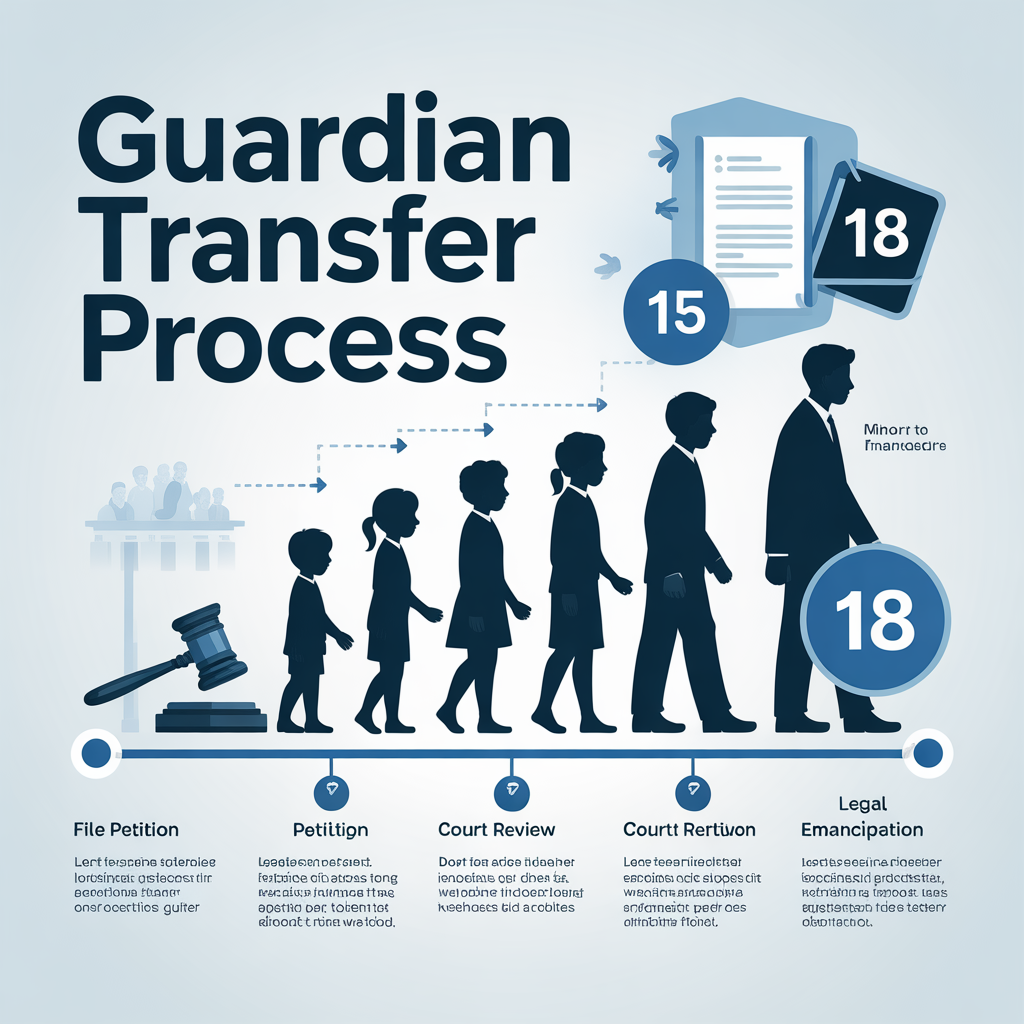
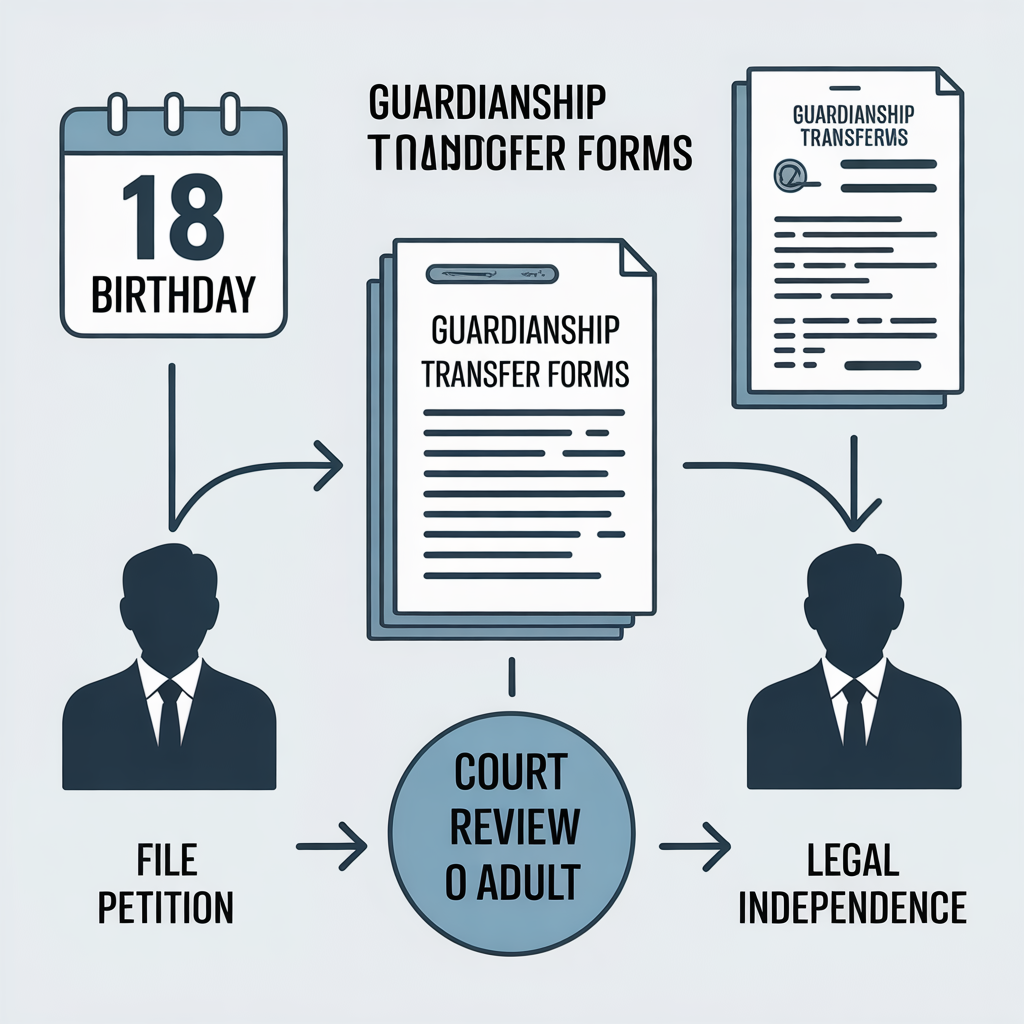
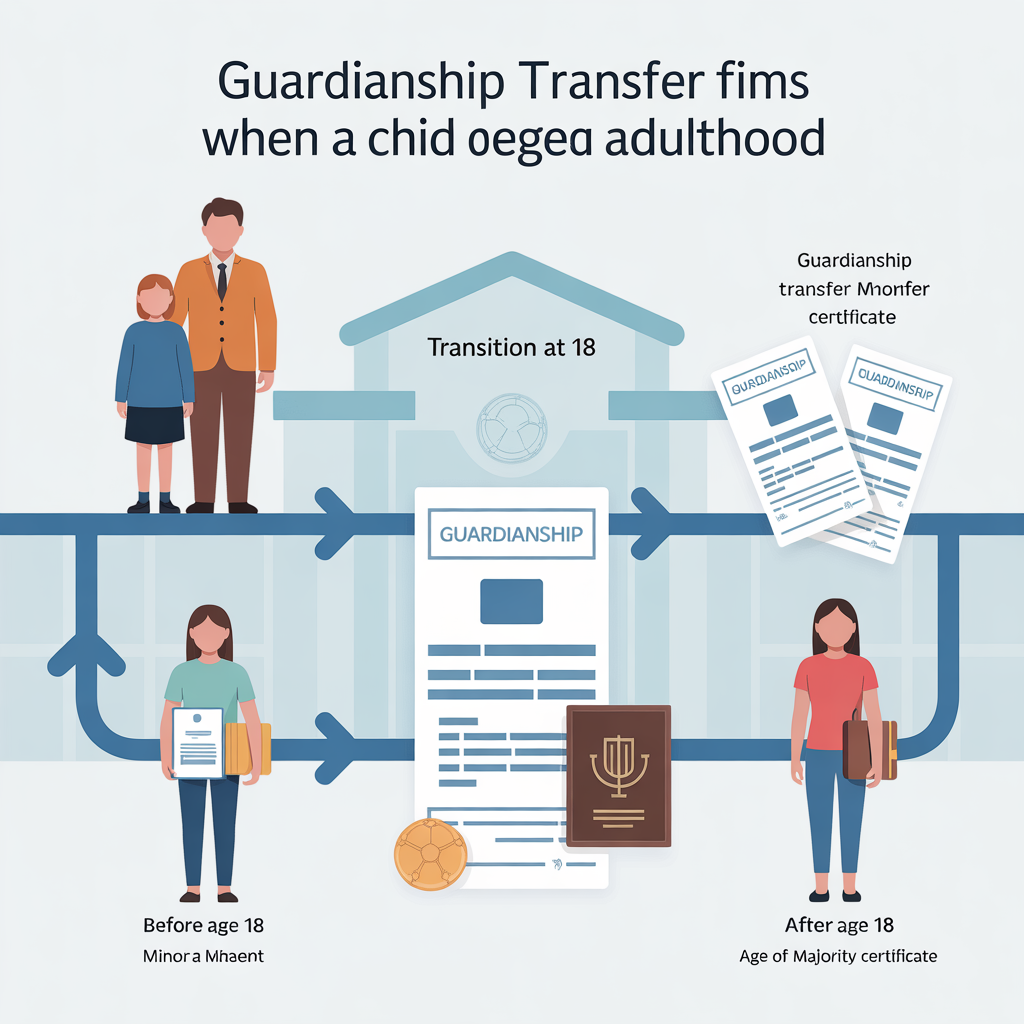
The internal logic governing how a responsible person is changed for a child upon reaching age 18 in programs like my529 follows a clear classification system. This system organizes transfer methods into four primary categories: automatic transfer to the adult beneficiary, documented transfer to the adult beneficiary, documented transfer to a third-party adult, and court-mandated transfer for incapacitated beneficiaries. Each category involves different combinations of affidavit usage, notary involvement, and evidentiary requirements.
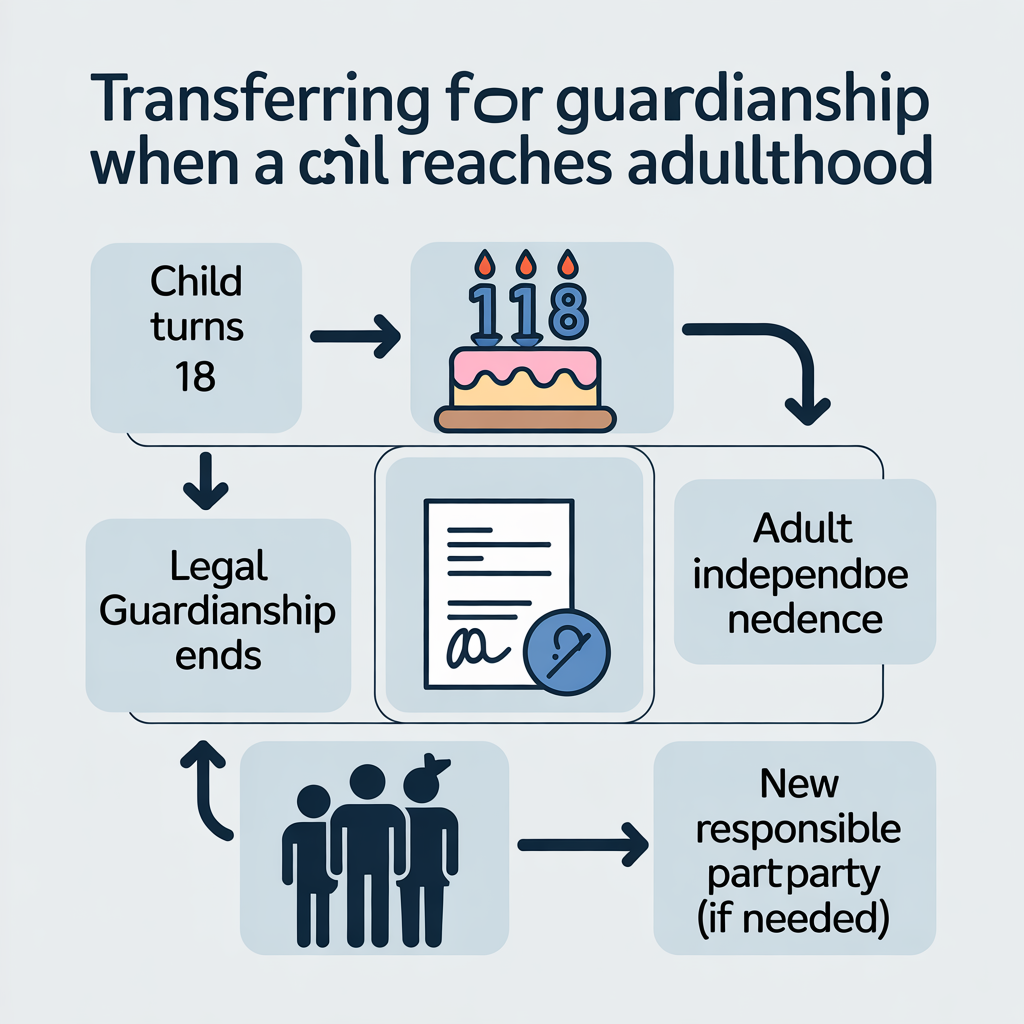
The first classification within my529 transfer procedures is automatic transfer. This method applies when no obstacles exist to the beneficiary assuming responsibility. Upon the beneficiary’s 18th birthday, the my529 administrative system automatically records the beneficiary as the new responsible person. No affidavit is completed, no notary is consulted, and no paperwork is submitted by the family. The transfer of rights at the age of majority occurs as a default rule built into the account terms. This classification is the most common for beneficiaries without disabilities or other complicating factors.
The second classification is documented transfer to the adult beneficiary. In this scenario, the beneficiary is willing and able to become the responsible person, but the family wishes to have a clear paper record of the change. A notarized affidavit is prepared, confirming that the beneficiary acknowledges their new responsibilities. A notary validates the signature of the beneficiary. The affidavit is then submitted to my529 as a supporting document. This method is optional and serves primarily as an evidentiary measure, useful for families who anticipate needing to prove the exact date and circumstances of the transfer.
The third classification within my529 procedures is documented transfer to a third-party adult. This occurs when the beneficiary either does not wish to become the responsible person or is unable to do so, but a different consenting adult is available. Changing the responsible person for a child upon reaching age 18 using this method requires a notarized affidavit that explicitly names the new responsible individual. The affidavit must be signed by the previous responsible person (typically the parent), the new responsible adult, and the beneficiary if they are capable of providing assent. The notary verifies all signatures. This classification demands more extensive documentation than the previous two.
The fourth classification is court-mandated transfer due to incapacity. In this situation, the beneficiary is unable to assume responsibility because of a documented medical or cognitive condition. A court order determines that the beneficiary lacks capacity to manage their own affairs. The my529 system then permits the change of responsible person to a court-appointed guardian or conservator. An affidavit is still required, but it must be accompanied by a certified copy of the court order. The notary validates the signature of the guardian. This classification overrides the default transfer of rights at the age of majority.
Another way to classify my529 change methods is by the timing of the effective date. Some changes are effective on the exact date of the beneficiary’s 18th birthday, such as the automatic transfer. Others may be effective on the date the notarized affidavit is received by my529, which could be days or weeks after the birthday. Families should understand this distinction when planning administrative actions that depend on who holds authority.
The type of affidavit used also serves as a basis for classification. Short-form affidavits are used for straightforward transfers where the beneficiary simply confirms assumption of responsibility. Long-form affidavits are used for transfers involving third parties, temporary designations, or special conditions. The my529 system distinguishes these forms by their content and the number of notary seals required.
Classification can also be based on the intended duration of the change. Permanent changes are those where the new responsible person holds authority indefinitely or until another formal change is requested. Temporary changes have a defined expiration date stated in the affidavit. After expiration, responsibility either reverts to the beneficiary or another named individual. The change of responsible person for a child upon reaching age 18 is most commonly permanent, but temporary arrangements exist for situations such as a parent assisting during a gap year before the beneficiary attends post-secondary education.
The involvement of the notary also creates a classification boundary. Changes that do not require a notary are limited to the automatic transfer scenario. All other changes within the my529 framework require notary validation. The notary’s role is to verify identity and voluntary action, not to certify the truth of the affidavit’s content. This distinction is important for understanding the limits of what notarization accomplishes.
Some classifications of my529 transfers depend on whether the previous responsible person consents. In automatic transfers, no consent documentation is needed. In third-party transfers, the previous responsible person must sign the affidavit. If the previous responsible person is unavailable or refuses to sign, a court order may be required to change the responsible person without their consent. Such cases are rare but represent a distinct classification within the transfer of rights at the age of majority.
The geographic location of the parties can also affect classification. If the beneficiary and the proposed new responsible person reside in different states, additional steps may be needed. The affidavit must be notarized in the state where the signing occurs, and my529 generally accepts out-of-state notary seals. However, if the state of the beneficiary’s residence has a different age of majority, complications may arise. This situation creates a specialized classification requiring both a notarized affidavit and a legal opinion letter.
Conclusion:
This classification of transfer methods within my529 after the age of majority has presented four primary categories: automatic transfer to the beneficiary, documented transfer to the beneficiary, documented transfer to a third-party adult, and court-mandated transfer for incapacity. Additional subclassifications based on timing, document type, duration, notary involvement, consent status, and geography were also described. This educational resource provides a structured overview for understanding the change of responsible person procedures.