Disclaimer: This page is an independent educational resource and is not affiliated with or operated by any official organization or service.
Introduction (first 120 words):
The transition of a child into legal adulthood at age 18 creates a need to reassess existing administrative arrangements, including those related to designated oversight. Certain structured savings and benefit programs, such as my529, operate under defined rules regarding account management and the designation of individuals authorized to act on behalf of a beneficiary. This material describes the conceptual framework for changing the responsible person for a child upon reaching age 18 within the context of account structures like my529. The process generally involves understanding the legal transfer of rights at the age of majority, the potential use of an affidavit to document a change, and the possible involvement of a notary to validate signatures. This content is provided for educational reference only.
Full Text:
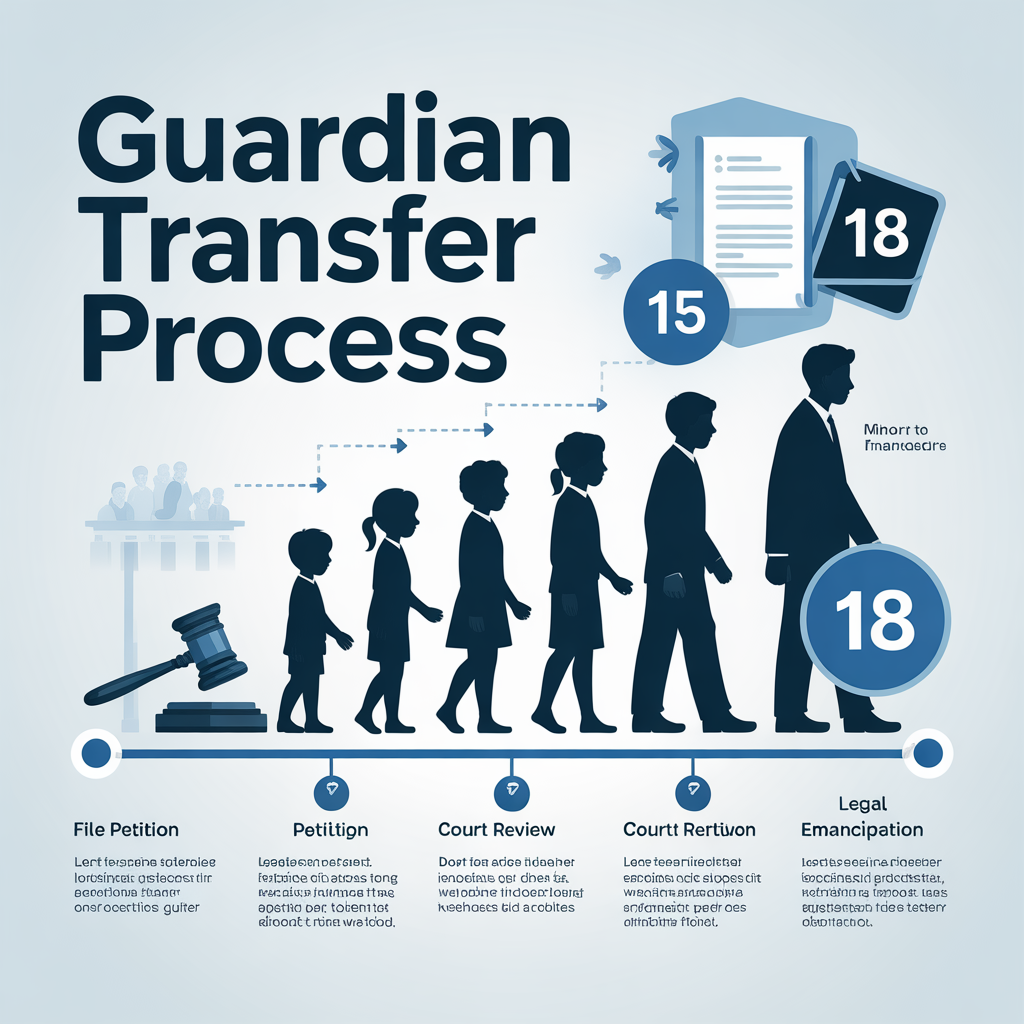
When a beneficiary reaches the age of majority, typically 18 years in most jurisdictions, the legal relationship between the account owner, the beneficiary, and any associated responsible parties may change. Programs designed for long-term benefit accumulation, including but not limited to my529, establish specific guidelines for how authority is transferred or modified upon this event. Understanding this procedure is essential for maintaining proper administrative continuity.
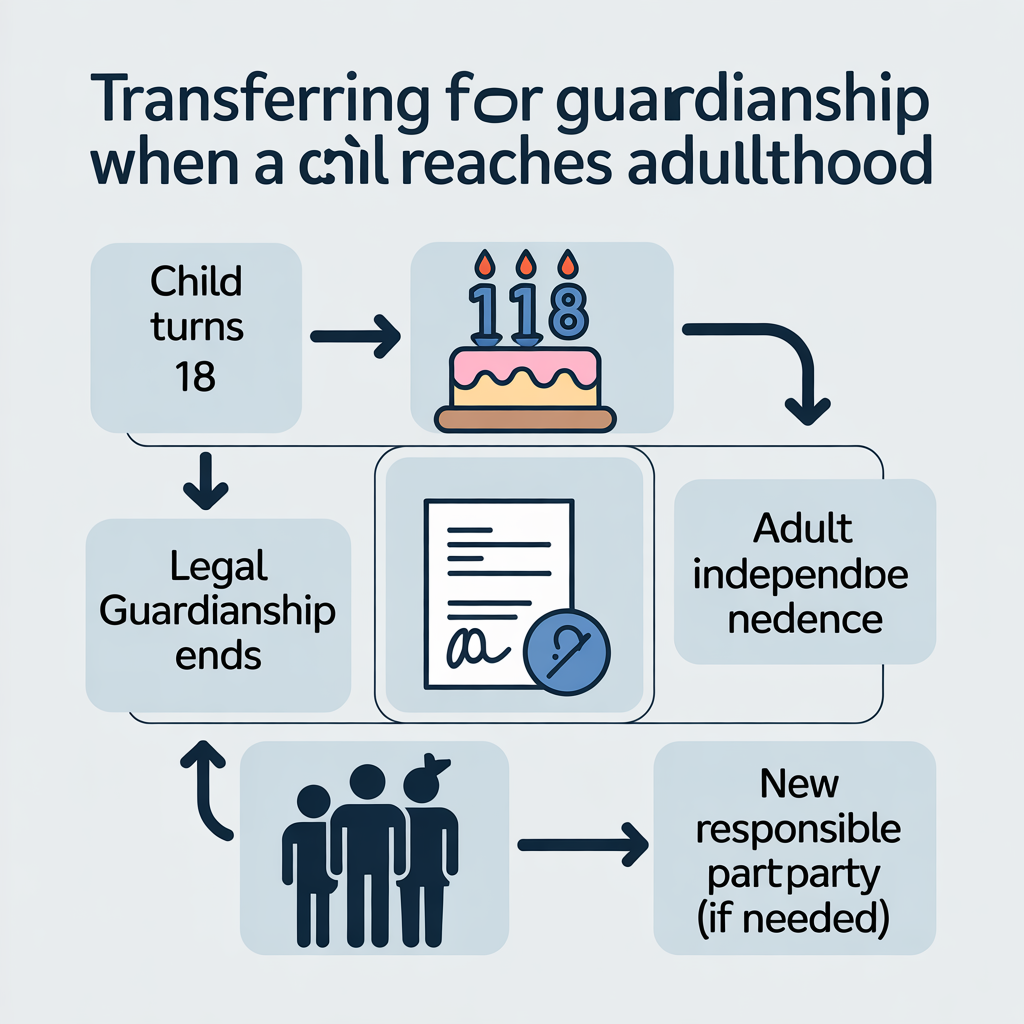
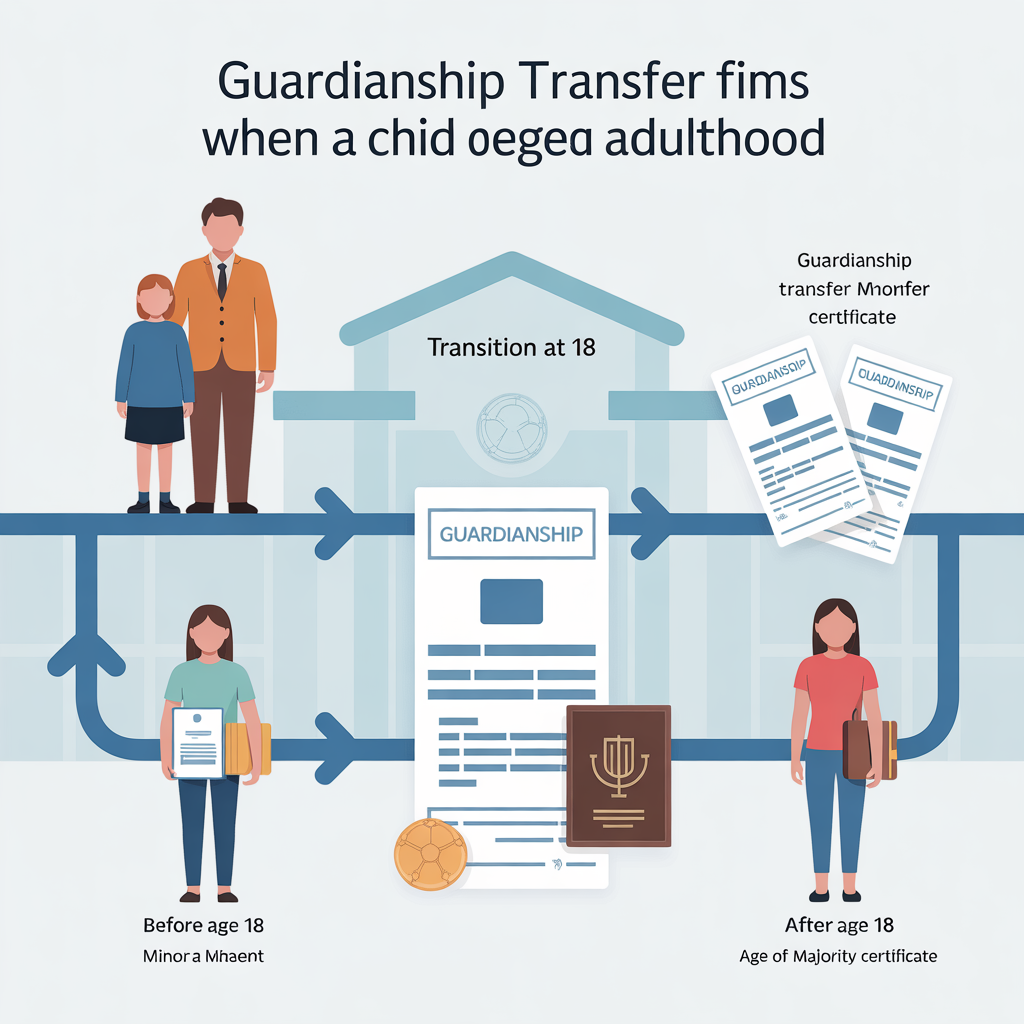
The concept of changing the responsible person for a child upon reaching age 18 originates from general legal principles governing adulthood. Upon turning 18, an individual is generally presumed capable of managing their own affairs. Consequently, any prior designation of a parent or guardian as the primary contact or decision-maker may automatically terminate. In some frameworks, the beneficiary themselves becomes the new responsible person. In other situations, a different adult may be nominated through formal documentation.
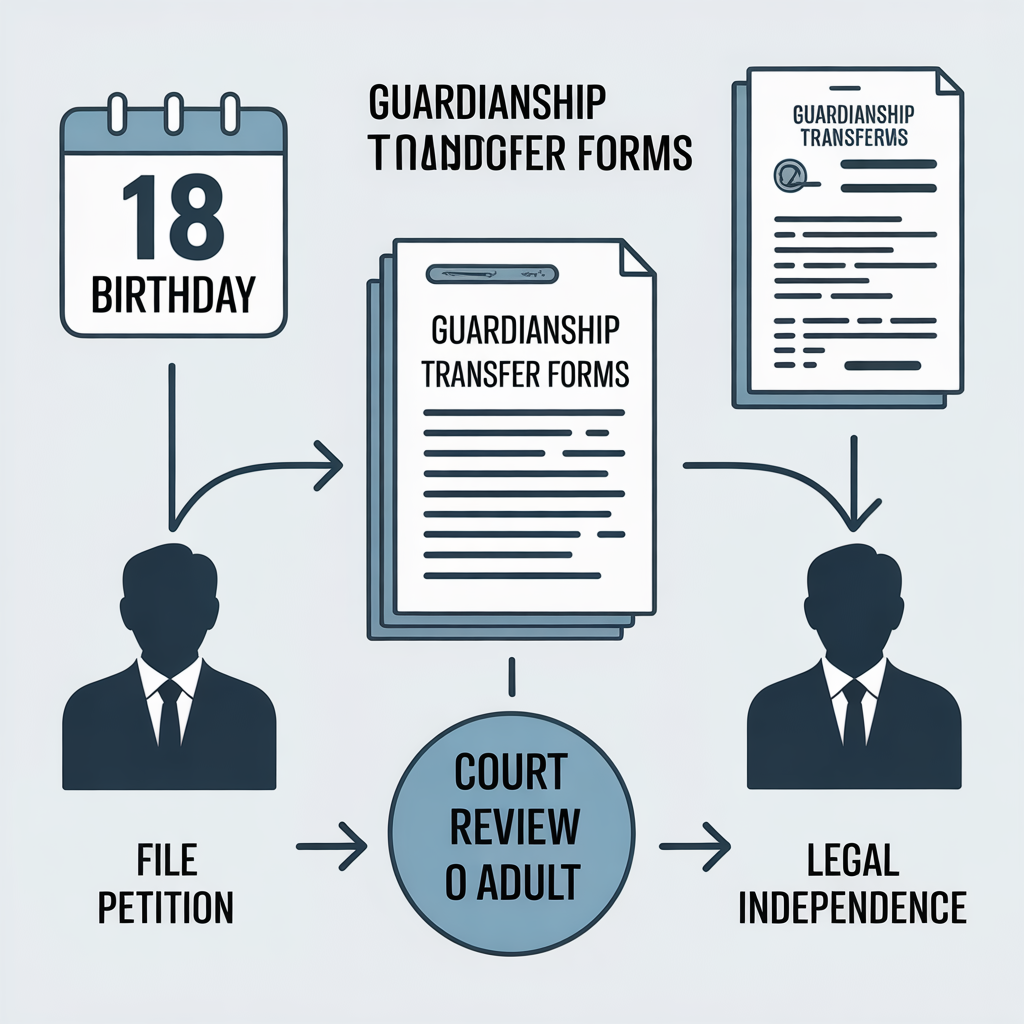
One common mechanism for changing the responsible person for a child upon reaching age 18 is the notarized affidavit. An affidavit is a written statement confirmed by oath or affirmation, used as evidence in administrative processes. Within the my529 framework, an affidavit can serve to record a change in authorized individuals if the beneficiary is unable or chooses not to assume responsibility. The affidavit typically includes the name of the current responsible party, the name of the proposed new responsible party, the date of the beneficiary’s 18th birthday, and a clear statement of the requested change.
The role of the notary in changing the responsible person for a child upon reaching age 18 is to verify the identity of the person signing the affidavit. A notary public acts as an official witness, reducing the risk of fraud or coercion. When completing an affidavit for my529 purposes, the signing party must appear in person before the notary, present valid government-issued identification, and declare under penalty of perjury that the information provided is accurate. The notary then affixes a seal or stamp, completing the validation.
It is important to understand the distinction between automatic transfer and documented transfer. In many my529 account structures, the age of majority triggers an automatic change of the responsible person from the previous guardian to the adult beneficiary themselves. No additional paperwork or notarization is required for this default transfer. However, there are circumstances where a family may wish to designate a different individual. For example, if the beneficiary has a disability that prevents independent management, a parent may seek to remain as the responsible person. In such cases, an affidavit supported by a notary becomes necessary.
The transfer of rights at the age of majority also has implications for access to account information. Prior to the beneficiary turning 18, the parent or original account owner may have full viewing and updating privileges. After the transfer date, those privileges typically revert to the beneficiary unless a formal change of responsible person is documented. The my529 procedure for changing the responsible person generally requires that any modification be submitted in writing, either through an online portal or via a paper form delivered by mail. Supporting documentation, such as a copy of the beneficiary’s birth certificate or a court order in cases of incapacity, may accompany the affidavit.
Families should also be aware of the possibility of temporary or limited changes. In some situations, the change of responsible person may be for a defined period, such as six months or one year. The my529 system may allow for a temporary designation through a specific affidavit that includes an expiration date. After that date, responsibilities may revert to the beneficiary or another named individual. Renewal of a temporary change requires submitting a new notarized affidavit before the expiration of the previous one.
Another aspect of changing the responsible person for a child upon reaching age 18 involves the handling of existing pending actions. If the original responsible person had initiated any withdrawals, contribution adjustments, or investment changes before the beneficiary’s 18th birthday, those actions may still be processed even after the transfer date, provided they were submitted prior to the official time of the age of majority. However, any new actions requested after the transfer date will be governed by the new responsible person status.
The use of an affidavit in the my529 environment is not unique to this program. Many structured benefit systems require similar documentation when a change of authority occurs due to age of majority. The general principle is that the affidavit serves as a clear, sworn record of intent, reducing ambiguity. The notary component adds a layer of authentication that administrative bodies rely upon to accept the document without further investigation.
In cases where the beneficiary is incapacitated and cannot become the responsible person, a court order may substitute for a standard affidavit. The my529 procedure for changing the responsible person for a child upon reaching age 18 with incapacity involves first obtaining a legal determination of incapacity from a court. Once that order is issued, a parent or guardian may file a special affidavit along with a copy of the court order. The notary still validates the signature of the filing party, but the court order provides the legal basis for overriding the default transfer of rights.
Records retention is another consideration. After successfully changing the responsible person, the original affidavit and any supporting documents should be retained by both the former and new responsible parties for a minimum of three years. The my529 administrative system maintains its own record, but individual retention ensures availability in case of disputes or audits.
It is worth noting that the transfer of rights at the age of majority does not affect the underlying purpose of the my529 account. Funds remain designated for their intended use, and the change of responsible person solely impacts who has authority to make administrative requests. The beneficiary’s eligibility for distributions remains unchanged.
Some families may wonder whether a notary is required for every change of responsible person. If the change is the automatic transfer to the adult beneficiary, no documentation or notary is involved. However, any deviation from that default, including naming a different adult or extending a parent’s authority, requires a notarized affidavit. The my529 guidelines consistently require notarization for non-standard changes to prevent unauthorized modifications.
The age of majority is not uniform across all jurisdictions. While 18 is the most common threshold, some states define majority as 19 or 21 for certain purposes. When changing the responsible person for a child under my529, the applicable age is generally the age defined by the beneficiary’s state of residence. Verification of the correct age can be obtained by reviewing state statutes or consulting the my529 program description.
Conclusion:
This material has described the conceptual framework for changing the responsible person for a child upon reaching age 18 within the my529 environment. Key elements include the automatic transfer of rights at the age of majority, the use of a notarized affidavit for non-standard changes, and the supporting role of a notary in validating signatures. Different scenarios, including temporary designations and incapacity situations, were outlined for educational reference. This information is provided as a general educational resource.